
AI tire management for passenger transit
Keep every route moving safely and on time.
Revvo turns supported pressure, temperature, and tread-wear data into focused TireIQ insights, helping transit teams prevent breakdowns, reduce operating costs, and protect the rider experience across buses, shuttles, vans, and paratransit vehicles.
Get a demo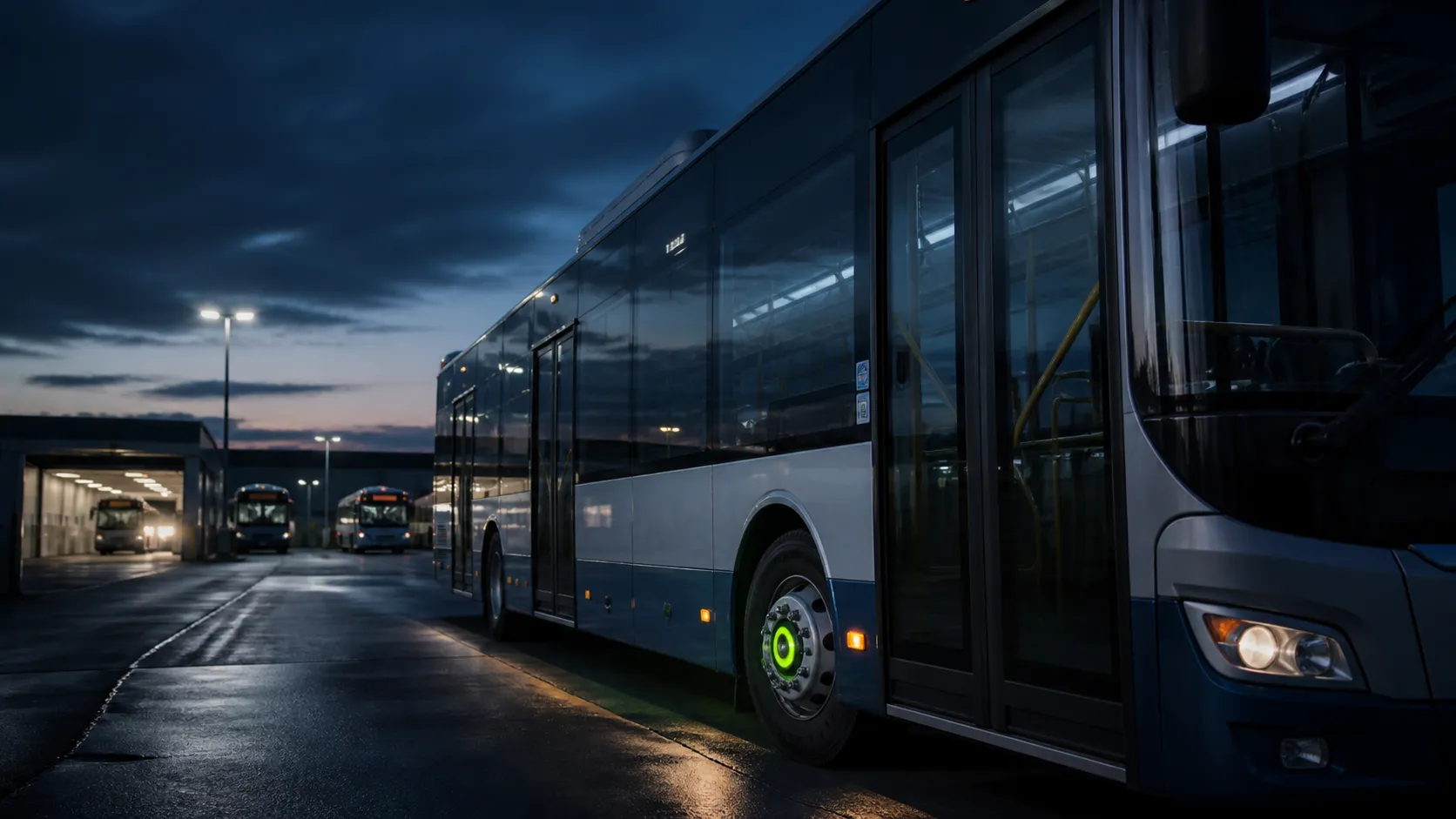
Built for the people responsible for margin, maintenance, and motion.
Transit Operator
Need to keep buses running on schedule, improve rider satisfaction, and control costs without adding operational friction?
Bring service continuity and tire attention into one clearer operating view.Safety Manager
Could an underinflated or overheated tire put passengers, drivers, service, or the agency's reputation at risk?
Review developing tire conditions earlier, before they become a failure or shutdown.Maintenance Manager
Looking to reduce road calls, extend tire life, avoid surprises, and keep more vehicles available for service?
Move from reactive tire work toward condition-informed maintenance planning.Reliability riders can feel
Tire intelligence built around the service day.
Passenger transit depends on reliable schedules and public trust. Revvo says its plug-and-play system can equip vehicles regardless of make or model, helping fleets of roughly 50–500 vehicles bring tire condition into predictive maintenance and fleet oversight before a flat, worn, or blown tire becomes a service disruption.
AI-driven insights
See more than a pressure reading.
TireIQ uses supported tire data to identify developing failures and tread-wear patterns, then brings forward the changes that could affect service.
Simple setup
Deploy across the vehicle mix.
Auto-detect sensor options require no special tools and support the buses, shuttles, and paratransit vans that make up a transit operation.
Reduced downtime
Catch problems before the road call.
Earlier condition context helps teams reduce blowout and breakdown risk so vehicles, passengers, and schedules can keep moving.
Designed to work alongside established fleet systems
- Geotab
- Lytx
- Motive
- Azuga
- Samsara
- Fleetio
What makes Revvo different
Less tire-system friction. More useful transit context.
Revvo combines deployment flexibility, TireIQ analysis, and supported fleet-system handoffs so tire condition can become part of the transit team's existing workflow.
Integration-friendly delivery
Connect available tire context with supported fleet platforms such as Samsara, Motive, or other telematics systems for a more consolidated vehicle and tire view.
Real-time alerts with temperature context
Receive available SMS or email notifications when a tire condition could threaten a schedule or safety, with temperature swings considered in the reading context.
Predictive analytics and tread forecasting
Project when tires may need rotation or replacement so maintenance can reduce road calls and keep more vehicles in service.
Flexible hardware management
Choose quick-install valve sensors or durable wheel-based options according to the buses, shuttles, and paratransit vehicles in the operation.
Auto-location technology
Identify supported tire positions without a separate manual registration process every time the fleet scales or tires move.
From data to insight
Move past the tire-monitoring headaches fleets already know.
Six out of ten fleets Revvo meets have tried some form of TPMS or tire monitoring, yet traditional tools can still leave transit teams with nonstop notifications, unclear savings, or complicated hardware.
Too many alerts
Repeated pressure notifications can arrive without enough context about urgency, root cause, or the next useful action.
Uncertain return
Raw, unorganized data makes real tire-related savings and downtime improvement difficult to calculate.
Overly complicated hardware
Complex installation and too few product options can add work before the transit fleet receives useful insight.
Revvo combines intelligent alerts that clarify what changed, when, why, and how with robust sensor options and integrated cost tracking.
Get a demoTangible ROI
Balance operating budgets with safe, reliable service.
Transit agencies must weigh upfront tire costs, retreading programs, ongoing maintenance, and vehicle availability. TireIQ organizes available tire and downtime context in a single dashboard so teams can make more deliberate decisions from wherever they work.
Real-time ROI monitoring
Track available tire-related cost and downtime-improvement context inside the Revvo dashboard.
One operating view
Give transit leadership and maintenance teams a shared place to review tire condition, service response, and vehicle availability.
Evidence for the next decision
Use operating history to support tire-program, retread, replacement, and maintenance planning.
Simplified maintenance
Plan tire work around demanding transit duty cycles.
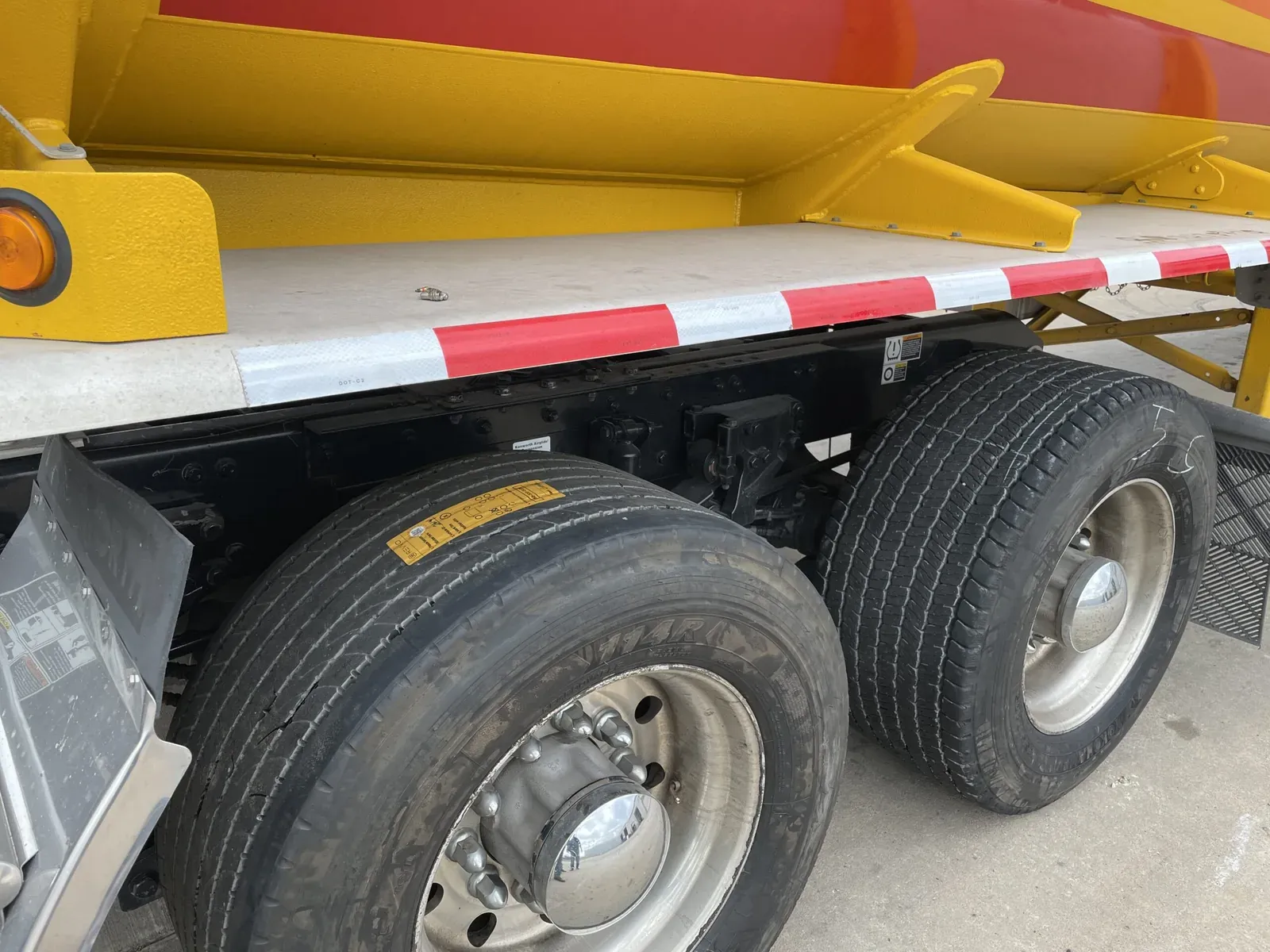
Frequent stops and starts, heavy passenger loads, and constant urban routes can accelerate tire wear. TireIQ helps teams review supported condition data so rotation, replacement, or retread work can happen at a more useful time.
Pressure and temperature
Use condition-aware alerts designed to provide more accurate, consistent readings across changing temperatures.
Tread-depth projections
Estimate how many safe miles may remain so retread or replacement work can be scheduled in advance.
Brake and alignment warning patterns
Review tire patterns that can suggest misalignment or potential brake issues and route them to a qualified maintenance inspection.
Reduce risk, increase safety
Bring attention forward in demanding urban service.
Transit vehicles face curb and road-hazard contact, heavy stop-and-go traffic, and frequent braking and turning. Those conditions can add sidewall damage, accelerate tread wear, and increase heat and tire stress. Revvo connects automated data collection with TireIQ analysis so smaller issues can be reviewed before they disrupt schedules or become costly incidents.
Earlier inflation context
Review conditions that can contribute to uneven wear, blowouts, reduced fuel efficiency, and safety risk.
Meaningful alert delivery
Carry supported tire insights through SMS, email, in-app views, or an available telematics integration.
Maintenance judgment stays central
Use TireIQ to prioritize review while keeping inspection and repair decisions with the transit maintenance team.
How it works
- 01 Install the sensors
Choose supported valve-based or wheel-based units and use auto-location where available.
- 02 Sync to the dashboard
Send supported data continuously to the Revvo portal or into an available telematics workflow.
- 03 Act on insights
Review meaningful SMS, email, or in-app alerts and schedule the appropriate maintenance response.
- 04 Track the return
Use available metrics to review tire longevity, downtime reduction, and cost-savings context over time.
Automated inventory
Plan tire replacement without disrupting service.
Without digital tracking, missed rotations, premature failures, and unnecessary costs can build across a transit fleet. TireIQ provides condition and service-window context to support proactive maintenance and inventory decisions.
Separate adjustment from replacement
Identify which tires may need a pressure correction and which deserve immediate replacement review.
Choose the service window
Use available condition history to schedule rotation or retread work without unnecessarily hampering operations.
Reduce unnecessary stock
Bring projected tire needs into purchasing decisions and look for opportunities to reduce avoidable storage cost.
Passenger transit resources
Continue with fleet stories and tire analysis.
Explore the four Revvo publications highlighted on the passenger-transit source page.
Read Revvo's story about tire-safety workflows in a passenger transportation operation.
Fleet analysis Fleets Using Revvo See Tire Risk ShrinkReview Revvo's published analysis of tire risk across fleets using its platform.
Fleet economics Avoid The Cost of Tire Neglect: How AI Turns Fuel Waste Into Fleet ProfitExplore Revvo's analysis of the relationship between tire inflation, fuel use, and fleet operating cost.
Fleet intelligence The Blind Spot In Fleet IntelligenceRead Revvo's perspective on connecting tire context with broader fleet intelligence.
Start your AI tire-management journey
Keep passengers safe and routes running on schedule.
Bring plug-and-play sensing, TireIQ analytics, and real-time fleet views into one tire-management workflow. Whether the operation runs buses, shuttles, or paratransit vehicles, Revvo helps teams control costs, improve safety, and protect service continuity day after day.
Get a demo